
Card Totals Take Priority over Suits in Live Tables in Ontario
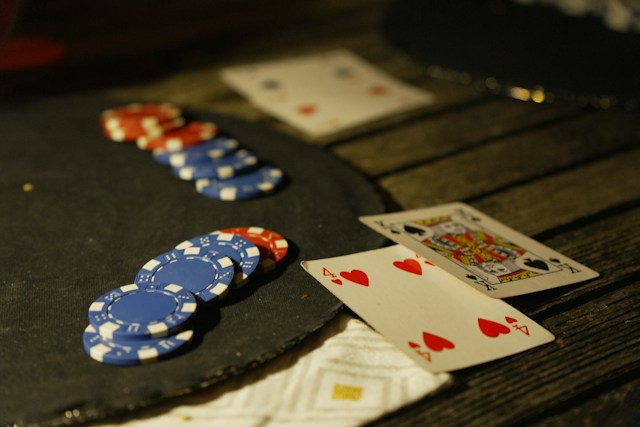
A blackjack player holds a king and eight of hearts. Across the table, the dealer has a ten of clubs and nine of diamonds. The dealer wins: 19 beats 18, even though the player’s cards share a suit.
For someone used to poker, those two hearts might catch the eye. At Ontario’s standard blackjack and baccarat tables, the main wager turns on the cards’ point values. Suits enter the calculation through certain optional bets, which can produce a separate result from the same deal. Understanding how those wagers are settled starts with the arithmetic.
How Blackjack Turns Cards Into a Result
Blackjack gives cards numbered two through ten their printed values. Jacks, queens and kings count as ten. An ace can count as one or 11, whichever suits the hand.
The rules shown at live blackjack ontario tables explain the dealer’s drawing requirements and how wagers are settled. Under standard rules, a player wins by finishing with a higher total than the dealer while staying at or below 21, or by remaining in the round when the dealer busts.
A total above 21 is a bust and loses the hand. Equal ordinary totals produce a push, returning the original wager.
There is also a distinction within 21 itself. An ace and a ten-value card in the initial deal form a natural blackjack, which beats a 21 made with additional cards.
Aces need attention as cards arrive. An ace and six make soft 17, with the ace valued at 11. Add a ten, and the ace counts as one, leaving the total at 17. The table’s rules determine whether the dealer draws or stands on soft 17.
Baccarat Gives Familiar Cards New Values
The arithmetic changes at a baccarat table. Kings, queens, jacks and tens count as zero. Aces count as one, while cards from two through nine keep their printed values.
Add the cards together, then keep only the final digit. A nine and six total 15, giving the hand a score of five. A king and seven score seven. Nine is the highest possible score.
Baccarat deals two shared hands, Player and Banker. Participants wager on either hand or a tie, and the higher completed score wins. If Player receives a nine and six of hearts while Banker receives a king and eight, Banker wins with a natural eight against five.
The word completed matters here. An initial eight or nine is a natural and ends further drawing. Otherwise, fixed rules determine whether either hand receives a third card. Each hand contains a maximum of three cards, and the final totals decide the comparison.
When the Same Cards Settle a Side Bet
Optional blackjack wagers give suits a more prominent role. They assess particular opening combinations and are settled separately from the main hand.
Perfect Pairs uses the player’s first two cards. A pair matching in rank and suit falls into one category; a same-colour pair with different suits falls into another. A mixed-colour pair has its own category too. Two queens therefore receive different side-bet classifications according to their suits, while each queen still contributes ten points to the blackjack hand.
The 21+3 wager adds the dealer’s face-up card to the player’s opening two. Depending on the displayed paytable, qualifying combinations include a flush, straight or three of a kind.
This allows a side bet to win on the opening cards while the main blackjack hand later loses. Each payment follows the conditions attached to that particular wager.
Reading a Live-Dealer Table in Ontario
Online live-dealer tables bring physical cards to the screen. A real person shuffles and deals through a live stream, while the interface shows hand values and offers decisions such as hit or stand.
The game’s rules panel explains how the round proceeds. The soft-17 rule specifies a dealer action, while side-bet paytables set out which combinations qualify and what they pay.
Ontario’s official player guidance sets a minimum age of 19 for its regulated internet gaming products. Players must also be physically in Ontario when wagering.
Gambling carries financial risk. Set time and spending limits beforehand, protect money needed for essential expenses, and avoid chasing losses.
What Poker Players Can Take From the Comparison
Back at the opening hand, the two hearts leave the player with 18 against the dealer’s 19. At a poker table, matching suits can help form a flush or straight flush within a five-card hand. All four suits have equal value when otherwise identical hands are compared.
The scoring rules give each card its job. Blackjack and baccarat compare point totals for their main results; poker and certain side bets assess combinations in which suits can matter.