
Online vs Offline Poker: Why the Best Players Learn to Move Between Both Worlds
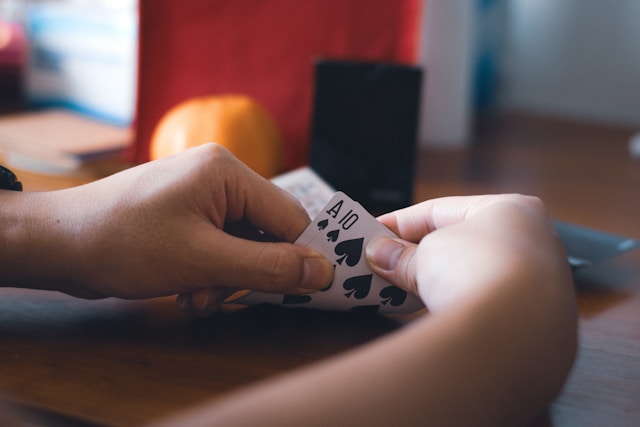
Online vs Offline Poker: Two Different Tables, One Serious Game
Poker has always had two lives. One is noisy, physical, and slightly theatrical: chips clicking, dealers calling the action, someone in seat six pretending not to be nervous. The other lives behind a screen, where decisions are faster, reads are thinner, and a badly timed bluff can disappear into the hand history before your coffee cools down. Both versions attract different kinds of players, but the strongest ones usually learn to respect both.
That is also why comparison platforms and casino guides such as Casino HEX have become part of the modern poker routine. Players no longer look only for “a place to play.” They compare formats, payment methods, game variety, tournament schedules, mobile access, licensing details, and bonuses before deciding whether tonight’s session belongs at a live table or on an online platform.
The Charm of Live Poker Rooms
Offline poker still has something online poker cannot fully copy: atmosphere. A real casino poker room gives every hand a small sense of theatre. You see who splashes chips into the pot, who counts their stack twice before calling, who suddenly becomes very interested in the carpet after making a big bet.
This does not mean live poker is easier. In fact, many beginners underestimate it. The pace is slower, so every mistake has more time to hurt. You might play only 25–35 hands per hour in a casino, compared with hundreds online if you multi-table. That means patience becomes a skill, not just a polite personality trait.
Live tournaments also bring a different pressure. Sitting for six or eight hours, managing fatigue, eating at the wrong time, and staying sharp after a bad river card are all part of the game. Nobody talks about posture in poker strategy guides, but after a full day in a casino chair, suddenly it feels like advanced theory.
Why Online Poker Changed the Game
Online poker made the game faster, more accessible, and more analytical. You can open a laptop or phone and join a cash table, Sit & Go, or scheduled tournament without traveling to a casino. For players in smaller cities, this alone changed everything.
The biggest difference is volume. Online players can see thousands of hands in a short period, test strategies, review mistakes, and learn patterns much faster than someone who plays live once a week. Online poker also removes many physical reads. You cannot see shaking hands, forced smiles, or the classic “I am definitely not bluffing” stare.
Instead, online reads come from timing, bet sizing, table position, player statistics, and repeated patterns. A quick check on the flop, an oversized river bet, or a strange min-raise can say plenty if you are paying attention. The screen is quieter, but it is not silent.
Strategy Differences Between Live and Online Poker
A good live player is often patient, observant, and comfortable with people. They watch body language, table talk, chip handling, and emotional reactions. They also understand that recreational players in live rooms may call wider, bluff less often, or overvalue top pair because folding after driving to a casino feels a bit too responsible.
Online poker rewards a different rhythm. Players need sharper preflop ranges, faster math, and better emotional control. Tilt online is dangerous because another hand appears instantly. There is no walk to the bar, no dealer change, no natural pause. Just one angry click, and suddenly your stack is donating itself to the ecosystem.
For both formats, the foundation stays the same:
1. Position matters more than ego.
2. Bankroll management protects you from your own worst session.
3. Bluffing works better when your story makes sense.
4. Strong starting hands are useful, but post-flop decisions make the money.
The best adjustment is not choosing one format forever. It is knowing which habits transfer and which ones need to stay behind.
Live Tournaments vs Online Tournaments
Live tournaments feel bigger because everything is visible. The chips are stacked in front of you. The short stack is two seats away. The player tanking for three minutes is not a loading icon; he is a real person making everyone mildly uncomfortable.
Online tournaments are more efficient but more brutal in pace. Blind levels move quickly, fields can be huge, and variance feels sharper. A player can make correct decisions for four hours and still exit because ace-king lost to ace-ten. Online poker teaches humility very efficiently, almost rudely.
Live events, however, demand stamina and emotional balance. The ability to stay focused through long levels is underrated. A player who understands push-fold strategy but loses concentration after dinner break is not as prepared as they think.
Choosing the Right Poker Format
The right format depends on what you want from the game. If you enjoy social energy, table reads, and slower decision-making, live poker rooms offer a richer experience. If you want volume, convenience, and measurable improvement, online platforms are hard to beat.
Beginners may benefit from starting online at low stakes to learn hand strength, position, and basic ranges without the pressure of a live room. But moving to live poker later is valuable because it teaches patience, emotional control, and how real people behave when money is in the middle.
Experienced players often combine both. Online poker builds technical discipline. Live poker sharpens observation. Together, they create a more complete player.
Final Thoughts: The Table Is Bigger Than It Looks
The debate between online and offline poker is not really about which one is better. It is about what kind of player each format creates. Online poker is a training lab with speed, data, and endless repetition. Offline poker is a human test, full of silence, small gestures, and decisions that feel heavier because everyone can see them.
The smartest approach is to treat both formats as part of the same education. Learn the math online. Learn the people live. Respect variance everywhere. And, perhaps most importantly, do not assume that wearing sunglasses indoors automatically makes you mysterious. Sometimes it just makes it harder to read the board.