
Why Skill Plays a Major Role in Online Poker
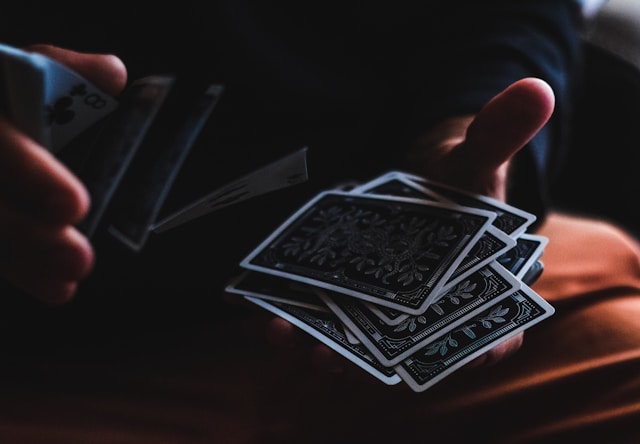
Online poker looks simple from the lobby: chips, cards, timers, and a chat box that rarely adds much. The serious part starts after the first few hands. A player has to read bet sizes, track position, remember earlier showdowns, and decide whether a missed draw tells a story or just creates noise. Luck deals the cards. Skill decides what happens next.
Some gambling pages focus on speed and payouts, such as claims that users can withdraw up to 1000 euro at once at casino Dragonia online casino, but poker asks for a different habit: measured choices under pressure. That difference matters.
A live game like Mega Wheel Casino session can tempt a Canadian player to chase quick drama. Online poker punishes that mood. The table rewards patience, math, memory, and the nerve to fold top pair when the line looks wrong.
The gap between cards and decisions
Bad beats make good stories, so players remember them. They forget the quiet spots where skill saved a stack: a small river fold, a three-bet against the right opener, or a check behind on a scary turn.
Poker has random inputs, not random outcomes. Over one hand, the worst player at the table can win with seven-deuce. Over 50,000 hands, that same player pays for calling too wide, bluffing without blockers, and treating every ace like a trophy.
That is the hard truth.
Skilled players work with ranges instead of single hands. If an opponent raises under the gun, they picture pairs, strong aces, and suited Broadway cards. If that player later bets big on a dry king-high board, the story fits. If it does not fit, a call or raise has a reason. Guessing becomes structured judgment.
Position turns average hands into weapons
The dealer button is not a decoration. Acting last gives a player extra information on every street, and online poker makes that edge easy to repeat across hundreds of hands in a week.
A suited connector on the button is playable against a loose opener. The same hand under the gun is usually a leak. Position changes the price of curiosity.
Good players steal blinds from late seats, defend their big blind with hands that realize equity well, and avoid bloated pots from early position. They also notice who gives up too much after missing the flop. One opponent checks and folds 70 percent of turns. Another fires once, then quits on rivers. Those patterns are money if someone is paying attention.
Bad players look at their own two cards first and stop there. Skilled players look left, right, and ahead. They ask who still has action, who hates folding, and which stack size can hurt them.
Math keeps emotion on a leash
Nobody needs a PhD to beat small online games. Basic arithmetic does plenty. If the pot is $40 and an opponent bets $10, the call costs $10 to win $50. The player needs about 20 percent equity. A flush draw with nine outs is close enough on the turn if implied odds are real.
Simple. Still missed often.
Skill shows up in these small calculations. Pot odds, fold equity, stack-to-pot ratio, and rake all shape the choice. Rake matters more than beginners think, especially in low-stakes cash games where a tiny edge disappears after the site takes its fee.
Emotion tries to break the math. A player loses with aces, feels robbed, and calls the next river with a weak pair. The skilled player feels the sting too. Then they count combos, compare the price, and press fold if the numbers say fold.
Reading opponents through digital crumbs
Online tables remove faces, but they leave data. Timing tells, bet sizing, auto-rebuy habits, and chat outbursts all say something. A snap check on the river is different from a long pause followed by a pot-sized bet.
Tracking software adds sharper notes where allowed. VPIP shows how many hands a player enters. PFR shows how often they raise. A regular running 23/19 is not the same person as a caller sitting at 48/6.
One note can pay rent for a hand. ‘Donk bets flop with draws.’ ‘Overbets river as missed bluff.’ ‘Min-raises monsters only.’ These tiny labels turn future spots into clearer choices.
The trick is restraint. One strange hand is not proof. Five similar showdowns start to mean something, especially if the action, board texture, and stack depth match.
Bankroll rules separate pros from tourists
Skill is useless if the bankroll is treated like a slot balance. A strong player with $200 should not sit in a $100 buy-in cash game just because the table looks soft. Two lost flips and the plan is dead.
Cash players often keep 30 to 50 buy-ins for their main stake. Tournament players need more because payouts are lumpy. A player can make correct shoves for two weeks and still miss every final table.
Boring? Yes.
But bankroll rules protect clear thinking. A player with rent money on the table sees monsters under the bed. They call too tight, bluff too little, or shove in frustration. Proper stakes make each decision smaller, and smaller decisions are easier to make well.
Bluffing is a planned story
Movie poker makes bluffing look like courage. Real bluffing is closer to writing a receipt. The bet has to match earlier action, board cards, stack depth, and the hands an opponent believes are possible.
A good bluff has blockers. Holding the ace of spades on a three-spade board matters because it removes the nut flush from the opponent’s range. A random missed straight draw does not get the same respect.
Sizing matters too. A half-pot bet may target weak pairs. An overbet may attack capped ranges after the opponent checks twice. Skilled players choose the message before clicking. They know which better hands should fold.
Then they accept the answer. If called, the hand goes into the notebook, not the ego.
Multi-tabling tests real habits
Playing one table allows time for doubt. Four tables expose habits. Twelve tables expose every leak.
Some skilled players multi-table because their preflop work is automatic. They know which hands open from the cutoff at 100 big blinds. They know which suited aces defend against a small blind raise. No panic. Just reps.
The danger is autopilot. A player who clicks the same continuation bet on every flop becomes easy to attack. Good regulars slow down for odd spots: paired boards, short stacks, strange limp-raises, or river bets that leave three blinds behind.
Skill here means knowing what deserves attention. Fold the trash fast. Mark the weird hand. Review it after the session, when the timer is gone.
Study turns talent into profit
Natural feel helps, but study gives it shape. Strong online players review losing hands, filter database spots, and compare lines with solvers such as GTO Wizard or PioSOLVER. They do not copy charts blindly. They ask why a hand mixes calls and raises.
A simple weekly routine works: tag five confusing hands, run the equity, write one sentence about the mistake, and check the same spot next Sunday. Small records beat vague memory every time. Which leak shows up twice?