
Why Timing Is An Important Factor Of Success In Live Casino Ireland?
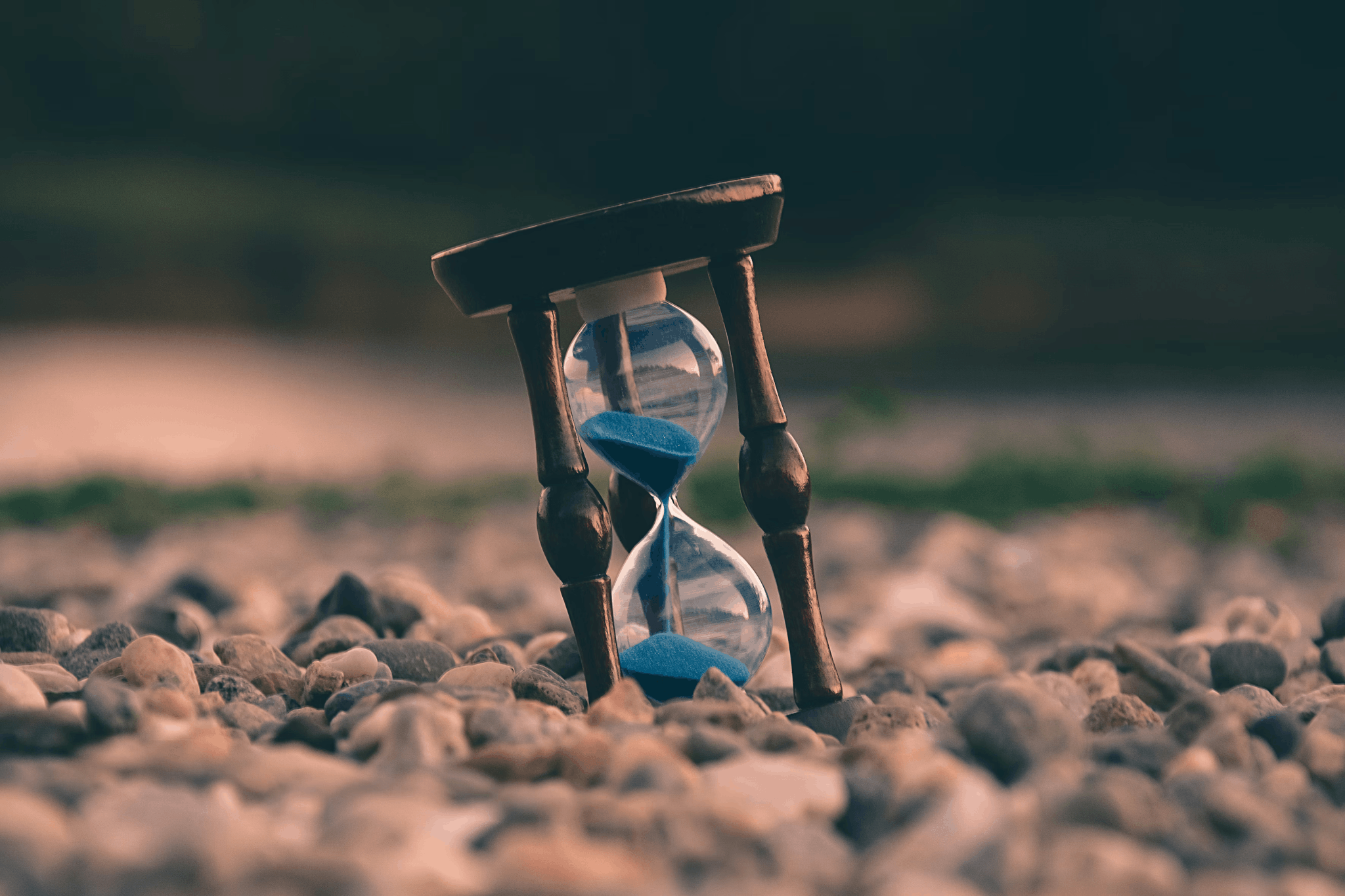
How The Art Of Timing Teaches You When To Act And When To Wait?
The life of modern people is full of decisions that need to be made, even if they are very tough. It is where the right moment is no less important than the action itself. It can be a financial investment, a career change, or situations where everything depends on luck, like playing live casino Ireland – success is based on a person’s ability to sense the rhythm of events. The art of timing should be investigated not just as a concept, but as one of the important skills that distinguishes outstanding strategists from those who go with the flow.
The ability to understand when to make a decisive move and when it's better to lie low and observe determines the trajectory of our development. In this article, we will examine in detail the philosophy of timing, the psychological traps that prevent us from making the right decisions, and practical tools.
Two Concepts of Time – Chronos and Kairos
To understand the art of timing, it is recommended to turn to the wisdom of the ancient Greeks, who had two different words for time – «Chronos» and «Kairos». Here is what they represent:
- Chronos is quantitative, linear, and inexorable time. It is the seconds, minutes, and hours of our clocks. Chronos measures duration; it is indifferent to events and flows at the same speed for everyone.
- Kairos, by contrast, represents qualitative time. It is that moment, a window of opportunity, when action can have the biggest impact. Kairos is not measured by a stopwatch; it is felt intuitively and requires readiness.
The art of timing is the ability to live in Chronos but act in Kairos. The tragedy of most people is that they try to take critical actions based on the calendar – Chronos, ignoring the context and readiness of the environment – Kairos.
Understanding the difference between these two concepts is the first step to gaining control over your life. You cannot control Chronos, but you can learn to recognize Kairos and use it to your advantage.
When to Act – The Power of Impulse
There are times when procrastination is like death – if not physical, then the death of opportunity. Acting at the right moment harnesses the power of momentum when circumstances, your skills, and the external environment align. Signs that the time has come:
1. The window of opportunity has begun to narrow. You see a trend, sense a market need, or realize that your dream job will soon be filled. In such situations, overanalyzing leads to paralysis.
2. Your preparation is equal to the challenge. You have spent a long time studying, accumulating resources, or honing your skills. Once the foundation is laid, waiting for the perfect moment turns into procrastination. There is no perfect moment; there is only the moment of adequate preparation.
3. Intuition is supported by facts. You do not simply «feel» that you need to act. Your inner voice is based on the objective data you have previously collected.
Most people miss their Kairos because of the fear of failure. People expect 100% guarantees that do not exist in the real world. Successful entrepreneurs, investors, and leaders know that acting in the face of uncertainty is the norm. They act not when fear disappears, but when the potential rewards of action outweigh the risks of inaction. The courage to take the first step creates a domino effect, opening doors that were invisible during the planning stage.
The Art of Strategic Waiting: Patience as a Weapon
The modern world is built on the so-called «hustle culture», when every person feels FOMO and waiting is mistaken for weakness, laziness, or indecisiveness. But strategic waiting is an active, not passive, process. It is a conscious decision to hold off on a move until the balance of power on the board moves to your favor.
Most people have heard about «The Art of War» by Sun Tzu, in which he wrote that the general who knows when to fight and when not to fight will be victorious. In the context of modern reality, this means the ability to restrain our impulses is the key to success. Here is when waiting is the best strategy:
1. Lack of critical information. If you are faced with a life-changing choice but lack important input, the best solution is to pause. Gathering information is also an action.
2. High emotional intensity. Never make decisions in a state of anger, deep sadness, or uncontrollable euphoria. Emotions distort the perception of reality. Waiting allows people to cool their heads and view the situation rationally.
3. External circumstances work in your favor. Sometimes, time solves problems. If competitors are exhausting their resources in competition, the best thing to do is wait by the riverbank.
Strategic waiting requires tremendous discipline. It is much easier to give in to anxiety and do anything to relieve the tension. But a true master of timing knows that the energy conserved during a pause will become the fuel that will provide a powerful surge when the time comes to act.
Integrated Analysis – How to Make Complex Decisions
In real life, the line between the need to act and the need to wait is almost never clear to see. For most of the time, people encounter gray areas where the pros and cons seem valid. It is at these moments that people need a structured evaluation system. Before taking a final step in a situation of uncertainty, people must analyze a number of factors:
- Diagnose current risks and potential sunk costs.
- Analyzing long-term prospects and emerging opportunities,
- Understanding our own hidden emotions and cognitive biases,
- Checking the availability of the resources to support the initiative.
All these factors, taken together, determine the success and timeliness of our choice, leaving no room for blind chance or rash, impulsive reactions. This approach allows you to avoid fragmented thinking. You do not look at the potential benefit; you evaluate the entire ecosystem of your decision, weaving into it the context of time.
Areas of Life Where Timing Is Everything
It is important to understand that timing rules adapt to the various contexts of our lives. In a career, the art of timing is linked to understanding economic cycles and technological trends. Entering a promising industry before it becomes overheated is the pinnacle of career timing. Waiting means upgrading skills, and action means aggressive networking and self-presentation at the right moment.
In interpersonal relationships, timing requires the highest level of empathy. A frank conversation started at the wrong moment when your partner is tired or irritated is doomed to failure, no matter how good your arguments are. In this field, waiting for an emotional calm before discussing important issues preserves relationships for years to come.
In finance, timing has become the stuff of legends. As they say on Wall Street, «Time in the market beats timing the market». This is a perfect example of how regular investing over the long term beats trying to catch the perfect moment without proper preparation.